
5 stars based on 130+ reviews on Google

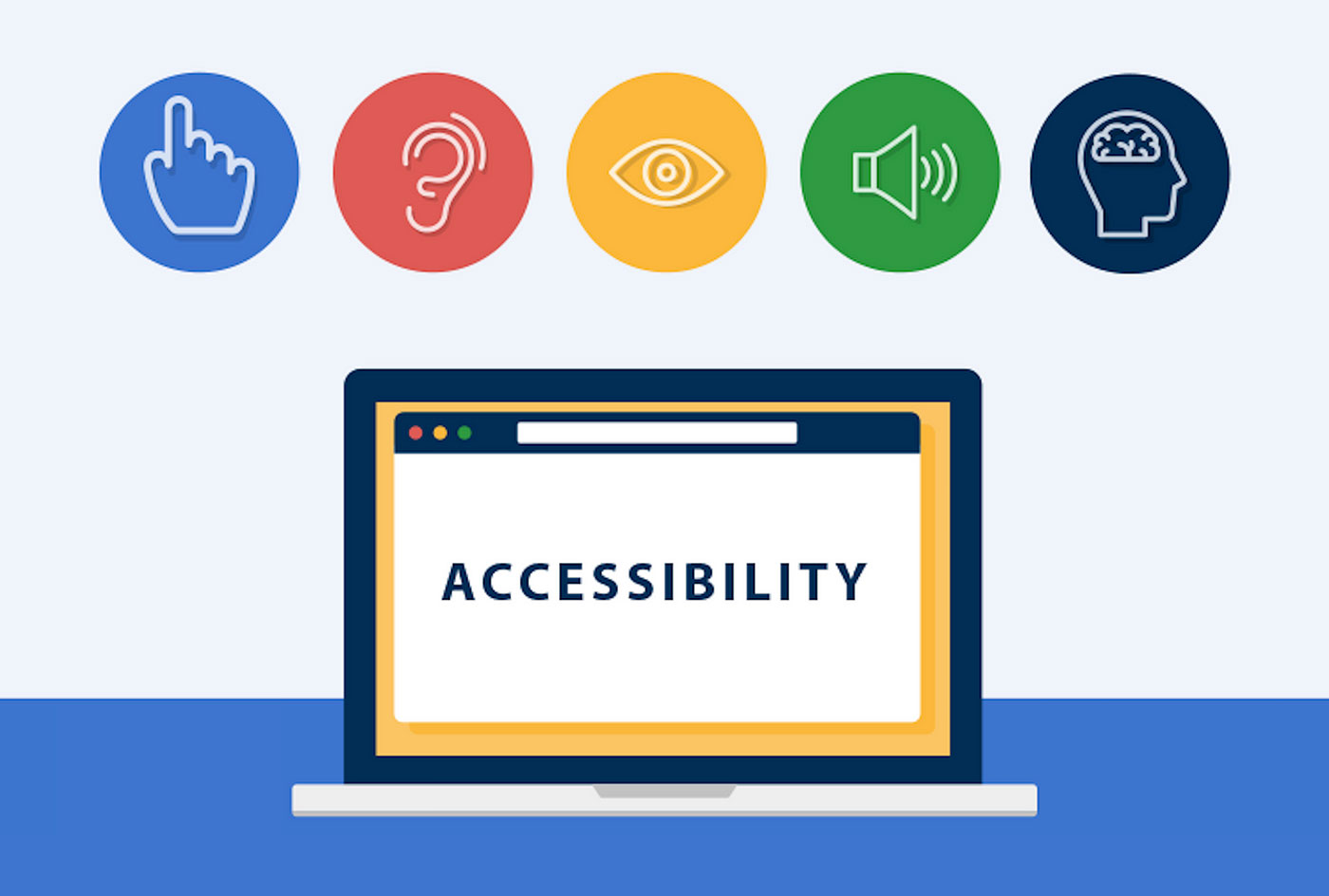
When people think about website accessibility, they often assume it's only about making websites usable for people with disabilities. While that's certainly the primary goal, accessibility actually improves the online experience for every visitor.
An accessible website is easier to navigate, faster to use, more readable, and more intuitive. It helps people using mobile phones, older devices, slower internet connections, voice assistants, and even those dealing with temporary injuries or challenging environments.
Whether you're a small business, government organisation, school, not-for-profit, or large corporation, investing in accessible web design isn't simply about compliance – it's about creating a website that works better for everyone who visits it.
Let's explore why accessibility matters and how inclusive web design benefits your business as much as your customers.
Web accessibility means designing and developing websites so they can be used by as many people as possible, regardless of their abilities or circumstances.
People access websites in many different ways. Some may:
Accessible websites accommodate all of these users without requiring special versions or separate websites.
Rather than designing for the "average" user, accessibility recognises that everyone experiences the web differently.
The internet has become an essential part of everyday life.
People use websites to:
If a website isn't accessible, many users are effectively locked out of these everyday activities.
Inclusive web design ensures that everyone has equal access to information and services regardless of ability.
One of the biggest misconceptions is that accessibility only helps a small percentage of users.
In reality, accessible design creates a better experience for almost every visitor.
Examples include:
Simple navigation helps everyone find information faster.
Visitors shouldn't need to guess where pages are located or click through endless menus.
Good accessibility encourages logical navigation that improves usability for everyone.
Accessible websites use:
These improvements make content easier for every visitor to consume.
Many accessibility principles naturally improve mobile design.
Larger buttons, readable text, good spacing and intuitive layouts make websites easier to use on smaller screens.
Whether someone is filling out a contact form or purchasing a product, accessible design reduces friction.
The easier a website is to use, the more likely visitors are to complete their goals.
Search engines and accessibility share many of the same priorities.
Google wants websites that are:
Many accessibility improvements also help search engines understand your content.
Examples include:
Using headings correctly helps:
Descriptive alt text:
Clear page titles improve:
Accessible links that clearly describe their destination benefit both users and search engines.
Instead of "Click here", descriptive links like "View our web design services" provide far more context.
Imagine a customer trying to submit your enquiry form.
If:
They may simply leave.
Every obstacle increases the chance of losing a customer.
Accessible websites remove unnecessary barriers.
This leads to:
Accessibility isn't just good design – it's good business.
Millions of people live with some form of disability.
Many others experience temporary or situational limitations, including:
Accessible websites serve all of these users more effectively.
The larger your potential audience, the greater your opportunity to generate enquiries and sales.
Australia's population continues to age.
Older users may experience:
These users often benefit enormously from accessible websites.
Simple improvements like larger text, better contrast and clearer navigation can significantly improve their online experience.
People increasingly expect businesses to be inclusive.
An accessible website demonstrates that your organisation values every customer.
It sends a strong message that everyone is welcome.
This can strengthen trust and improve your reputation with customers, partners and employees alike.
We've all visited frustrating websites.
Examples include:
Many of these issues are accessibility problems.
Fixing them improves everyone's experience.
Many organisations have accessibility obligations depending on their industry and the services they provide.
Government agencies, educational institutions and larger organisations are often expected to meet recognised accessibility standards.
Even when there is no explicit legal requirement, following recognised accessibility best practices reduces risk and demonstrates a commitment to inclusion.
Designing with accessibility in mind from the beginning is generally far easier and less expensive than retrofitting an existing website later.
Many accessibility enhancements are relatively straightforward.
These include:
Text should stand out clearly against its background.
Light grey text on white backgrounds may look modern but can be difficult to read.
Users should be able to access all important features using only a keyboard.
This benefits people who cannot use a mouse.
Images should include descriptive alternative text so screen readers can describe them.
Decorative images can usually be ignored.
Pages should use logical heading levels to organise content.
This helps both users and assistive technologies.
Forms should include:
Captions help:
Accessible websites should work across:
Accessibility isn't something that should be added after a website is finished.
The best results come when accessibility is considered throughout the project.
This includes:
Every stage contributes to a more inclusive website.
Technology changes. Browsers evolve. Content grows. New pages are added.
Accessibility should be reviewed regularly to ensure standards continue to be met.
Routine accessibility audits can identify issues before they affect users.
Good content is a major part of accessibility.
Writers should:
Readable content benefits every visitor.
Ultimately, accessibility is about creating websites that are easier to use.
When visitors can quickly find information, understand content and complete tasks without frustration, everyone wins.
Businesses receive more enquiries. Customers enjoy a smoother experience. Search engines better understand the website.
The website becomes more valuable to everyone.
What is accessible web design?
Accessible web design involves creating websites that can be used by people with a wide range of abilities, devices and assistive technologies. It removes barriers so everyone can access content and complete tasks online.
Does accessibility help SEO?
Yes. Many accessibility best practices, such as logical heading structures, descriptive page titles, alternative text and improved usability, also help search engines understand and rank your website.
Is accessibility only important for government websites?
No. Every business can benefit from accessible web design. It improves user experience, increases conversions, supports SEO and helps create a more inclusive online presence.
Can an existing website be made more accessible?
Absolutely. Many accessibility improvements can be added to existing websites through better coding, improved content structure, colour contrast adjustments, form enhancements and ongoing testing.
Does accessibility make websites look boring?
Not at all. Modern accessible websites can be visually impressive while remaining highly usable. Great accessibility and great design work together.
How often should accessibility be reviewed?
Accessibility should be reviewed whenever significant changes are made to a website. Regular audits also help identify issues before they impact visitors.
Is accessibility expensive?
Building accessibility into a new website is generally much more cost-effective than fixing problems later. Many accessibility improvements are simply examples of good design and development practices that benefit every user.
Accessibility is becoming an increasingly important part of modern web design.
As digital services continue to expand, inclusive design is no longer an optional extra.
Businesses that prioritise accessibility today position themselves for long-term success.
An accessible website demonstrates professionalism, improves customer satisfaction, strengthens search performance and reaches more people.
Most importantly, it ensures that everyone has the opportunity to access your information and services equally.
Inclusive web design isn't about designing for "some" users.
It's about designing for everyone.
Phone: (07) 3882 3375
Mobile: 0405 014 001
Email: info@marketeam.com.au
5 stars based on 130+ reviews on Google